



How Hanover-Area Businesses Can Scale Market Research Without the Big Budget
Almost 45% of new businesses fail within their first five years, with poor market fit and failure to adapt to market changes among the leading causes. For the businesses that make up the Hanover Area Chamber community — where more than 90% of members have 25 or fewer employees — that's not a statistic to file away. It's a reason to treat market research as an ongoing business function, not a launch-week activity. Scaling your research doesn't require hiring a consulting firm; it means building habits and systems that surface the right information as your business grows.
Why Research Has to Be an Ongoing Habit
Markets don't hold still. Customer needs shift, competitors emerge, and economic conditions evolve. Market research that becomes an enduring part of your business strategy — not a one-time box to check — is what separates businesses that adapt from those that don't.
The cost barrier is lower than most owners assume. DIY research methods can cost nothing, while paid industry reports typically range from $300 to $1,500. You don't need a big budget. You need a consistent process.
Primary vs. Secondary: Match the Method to the Question
The first decision when scaling your research is knowing which type of research fits which question. Secondary research draws on existing data — industry reports, government databases, published surveys. Primary research means gathering information directly from customers or prospects.
The SBA recommends using secondary sources for general, quantifiable questions like industry trends and demographics, while direct consumer research is best reserved for specific business questions like customer reactions or buying alternatives. A practical rule: if the answer is likely in a government database, start there. If the answer requires asking your customers, go direct.
Know Who You're Actually Selling To
Before you can write a good survey or run a useful focus group, you need a clear picture of your target customers. Market segmentation — grouping customers by age, income, or buying habits — can drive higher conversion rates and lower customer acquisition costs by letting you tailor your messaging and offers to the right people.
For demographic and geographic data, the Census Business Builder is a free tool from the U.S. Census Bureau that gives small business owners access to demographic and economic data, interactive maps, and downloadable reports — useful when you're testing a new product or scoping a second location. One data point worth keeping in mind: 56.6% of all U.S. employer establishments in 2021 had fewer than five employees. If your customers include other local businesses, your research needs to reflect a market dominated by micro-businesses, not mid-size firms.
Surveys, Focus Groups, and Getting People to Participate
Surveys are the workhorse of primary research — fast, inexpensive, and scalable. Keep them short (5–7 questions), focused on a single decision you need to make, and distributed through channels where your customers already are: email, text, or in-store.
Focus groups go deeper. A facilitated conversation with 6 to 10 people can surface insights that survey checkboxes never would — especially when you're testing a new product idea, refining your messaging, or trying to understand why a recent campaign underperformed.
Both methods work better when you incentivize participants. A modest reward — a gift card, a discount, or early access to something new — improves response rates and the quality of engagement. It signals that you value people's time, and that comes back to you in better data.
Running a Competitive Analysis
Understanding your competition is as important as understanding your customers. A competitive analysis maps who your competitors are, what they offer, how they price, and where they're strong or weak.
Start with what's publicly visible: their website, customer reviews, and social media presence. Then look for gaps — underserved segments, services they don't cover, or recurring complaints in their reviews. Those gaps are where your differentiation lives.
Automate What You Can
Manual research processes don't scale as your business grows. Build systems that surface market signals automatically:
-
Set up Google Alerts for your business name, key competitors, and relevant industry terms
-
Use your CRM to track customer patterns and flag changes in buying behavior
-
Automate post-purchase surveys through your point-of-sale or email platform
-
Schedule quarterly review sessions to revisit findings and note what's changed
The goal isn't to replace judgment with automation — it's to make sure you're not missing signals simply because you didn't have time to look.
Sharing Research With Your Team
Research only creates value if the people who need it can act on it. After each research cycle, summarize your findings in a brief one-page document, share it at a team or leadership meeting, and archive it somewhere accessible for future reference.
When distributing data, format matters. Sharing research as PDFs rather than editable spreadsheets preserves formatting and document integrity, prevents accidental edits, and ensures consistent display across devices and platforms. If you've been tabulating results in Excel, you can use an online tool that shows how to convert Excel to PDF without downloading any software.
Start With What's Already Available to You
The Hanover Area Chamber is a natural entry point for research support. Through SBDCNet, small businesses working with a local SBDC advisor can access no-cost customized research reports covering consumer expenditures, competitor mapping, and retail opportunity gap analysis for their specific geography — at no charge. SCORE also provides free market research tools and training to help small business owners find customers, analyze competitors, and identify new market opportunities as their business evolves.
If you're ready to make market research a standing business function — rather than a scramble before a big decision — start with one small step: a single customer survey, one competitor review, or one data pull this quarter. Build the habit before you build the full system.

Upcoming Events
Stay updated on the latest events happening in Hanover.
Snack Town Fall Fest 2026
2nd Saturday October - Trick Or Treat

2nd Saturday November
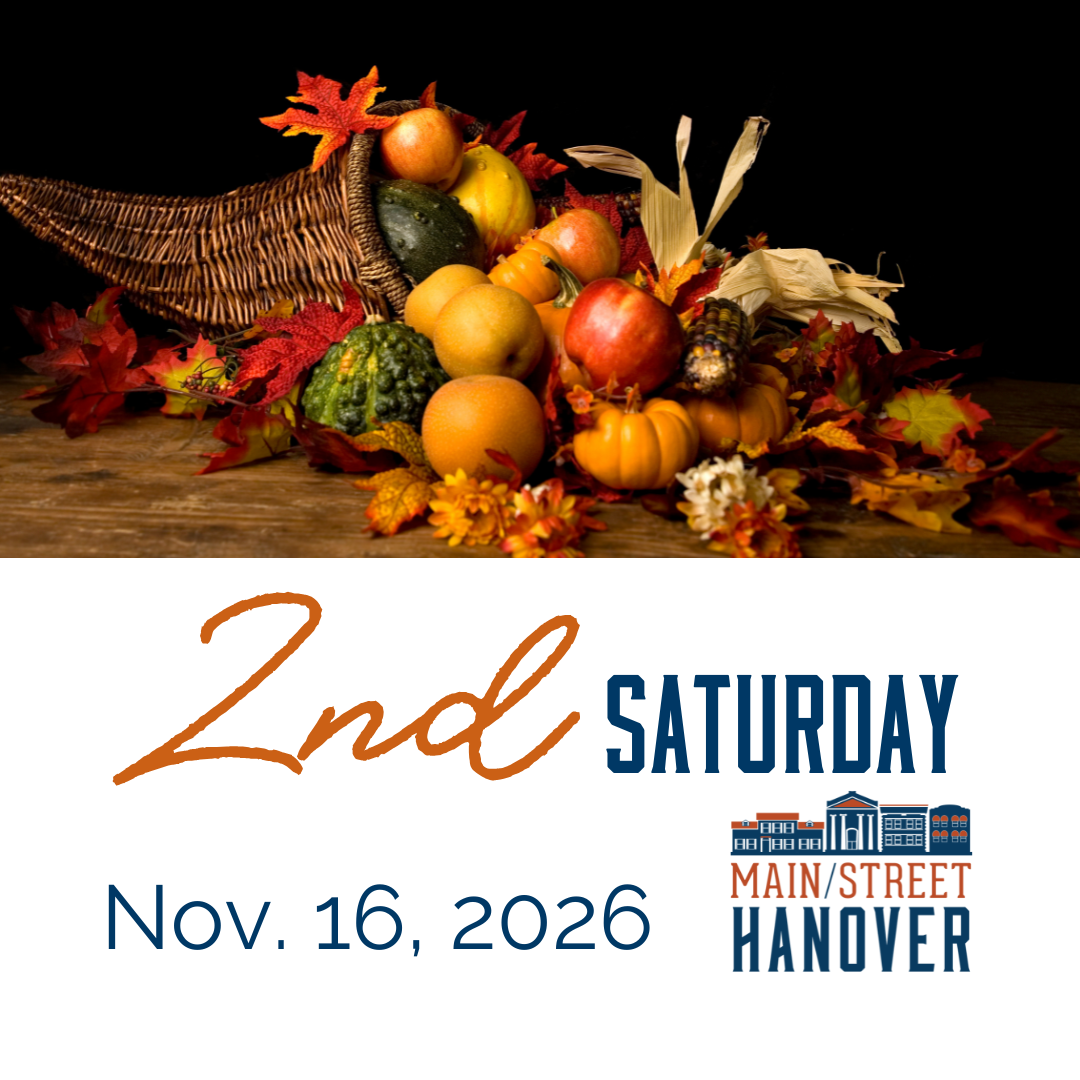
Christmas in Hanover Festival

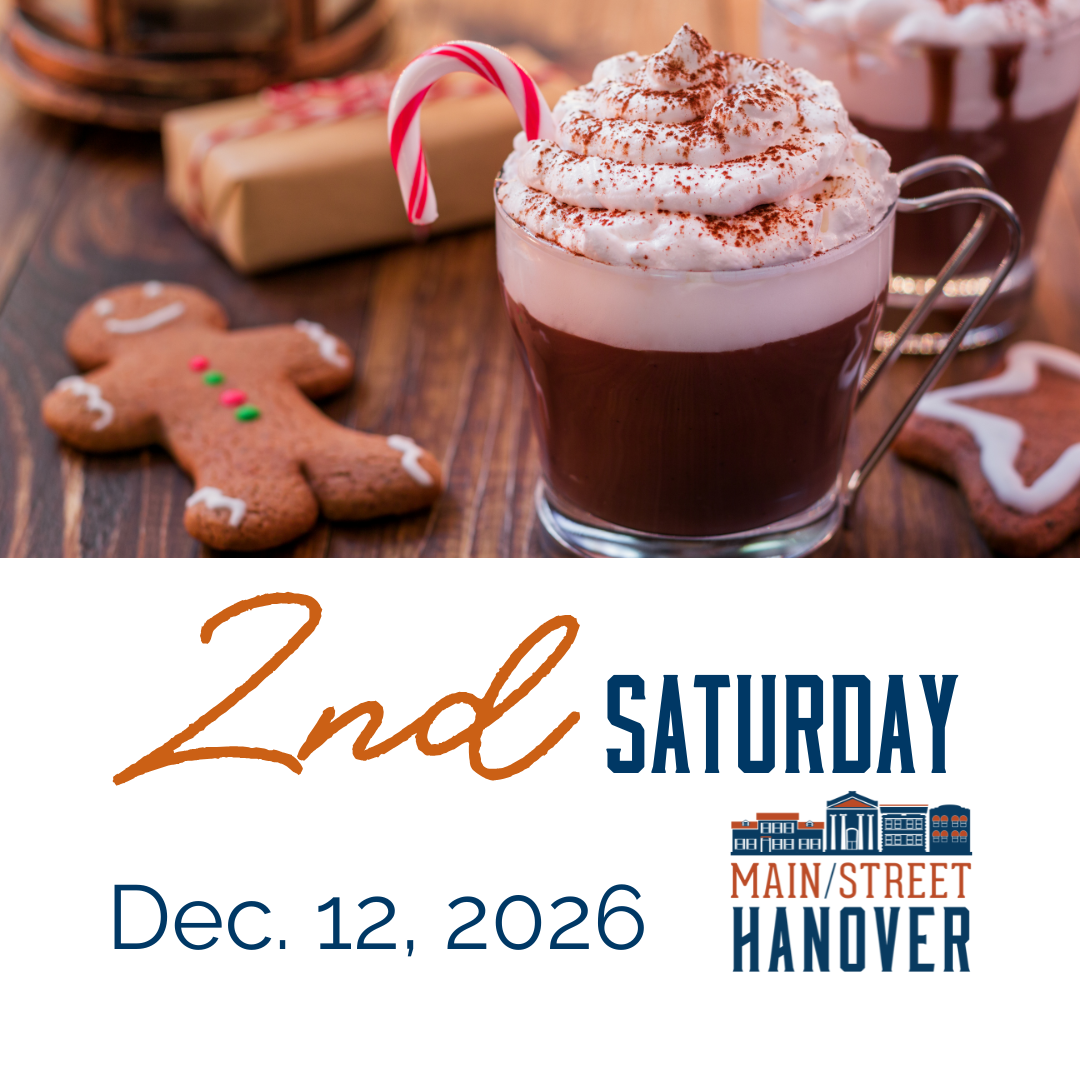
2nd Saturday December - Hot Chocolate and Cookie Stroll
Submit Your Event Today!
Promote your event to a wider audience by featuring it on our website. Reach more attendees and make your event a success!
Discover the Vibrant Culture and Community
Attending events in Hanover allows you to immerse yourself in the rich cultural heritage and vibrant social scene of the town. From lively festivals to art exhibitions and live performances, there's always something exciting happening in Hanover.

Frequently Asked Questions
Find answers to common questions about dietary options, reservation policies, and hours of operation.
Visitors often inquire about the Hanover Historic District, which is known for its over 2600 mid-19th to mid-20th-century buildings.
In Hanover, Pennsylvania, history enthusiasts can enjoy a journey through time with visits to the Hanover Area Historical Society Museum, which showcases the town’s rich past; the Warehime-Myers Mansion, a beautifully preserved example of early 20th-century architecture; and the Neas House, one of the oldest surviving structures in Hanover, offering a glimpse into the life of the 18th-century Pennsylvania German settlers. These historical landmarks provide a captivating window into Hanover’s heritage and are a must-visit for those looking to experience the town’s historical charm.
In addition to Codorus State Park and Hickory Falls, Hanover is also known for the Snack Town Street Fair, a vibrant festival celebrating the town’s snack food heritage with craft vendors, food, and entertainment, created in partnership between the Hanover Area Chamber of Commerce and Utz Brands.
Hanover provides a rich historical experience with tours like the Civil War Ghosts of Gettysburg Tour and the Spirits of Jennie Wade Ghost Night Tour in nearby Gettysburg.
Hanover, Pennsylvania, is renowned as the Snack Food Capital of the World, home to iconic brands like Utz Quality Foods and Snyder’s of Hanover, which is part of the Campbell Snacks portfolio.
Dolphin & Anchor Pub: Located in the heart of Hanover, they offer traditional beer styles with a twist.
Fat Bat Brewing Company: A local brewery started by a beer-loving brother and sister team, known for their craft beer selections.
Sign of the Horse Brewery: A contemporary brewery catering to craft brew enthusiasts with a range of house taps.
Lydian Stone Brewing Company: A nano brewery offering a variety of craft beers, from the light or malty to the hoppy or stouts; and, plenty of conversation.
The Borough office at 33 Frederick St, Hanover has everything you will need to find your way around Hanover.